
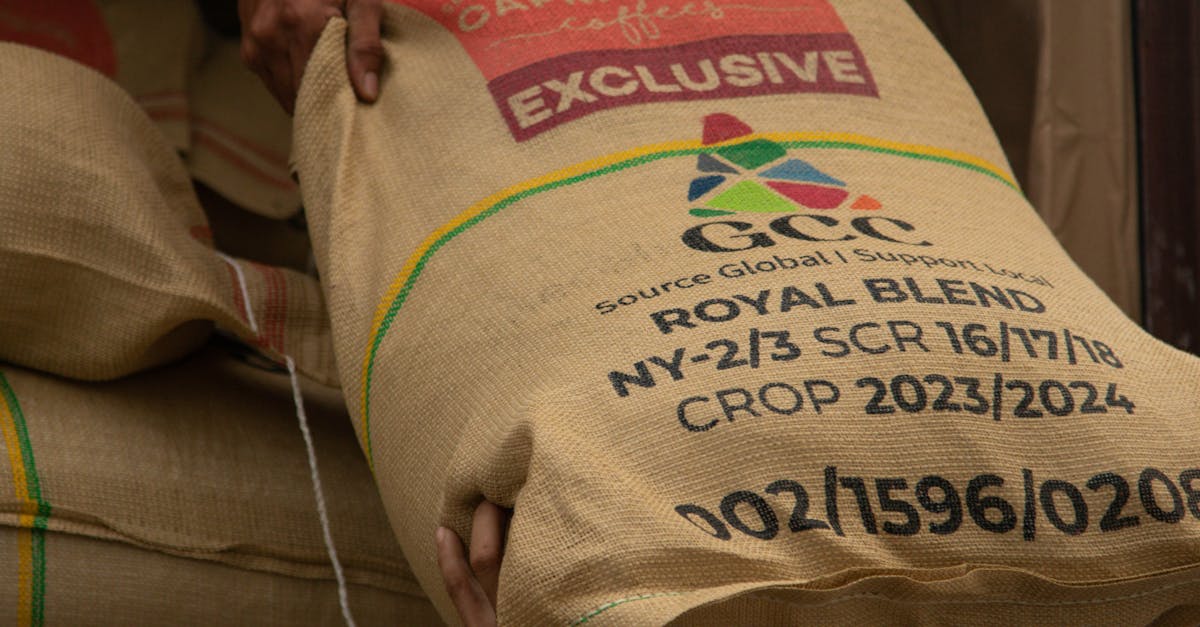
Building an online coffee store is more than a business idea—it's a way to bring a distinct flavor and story to customers. But one truth stands at the heart of every successful coffee brand: your private label supplier will make or break your reputation from day one. After years spent supporting first-time entrepreneurs just stepping into the world of ecommerce, we’ve learned what matters most, where founders can stumble, and how to set the foundation for your brand’s future. In this guide, we’re pulling back the curtain so you can make the smartest, most sustainable supplier choice for your own online store.
What Is Private Label Coffee and Why Is It a Game-Changer?
Private label coffee means selling coffee under your own brand while your supplier handles the heavy lifting—sourcing, roasting, packaging, and order fulfillment. For modern entrepreneurs, it’s an incredible avenue to launch a coffee brand without needing your own roastery, warehouse, or even storage space. With the right partner, you control the brand and customer experience, while a skilled supplier ensures your product quality and reliability never falter.
The 7 Key Factors to Evaluate When Choosing Your Private Label Coffee Supplier
1. Coffee Quality and Consistency
Nothing is more central to a coffee business than delivering a truly great cup, every single time. We always urge new founders to dig deep on this topic with potential suppliers. Some questions we suggest:
- How is the quality of beans monitored from sourcing through roasting and shipment?
- Is every batch roasted fresh to order or drawn from inventory?
- What certifications (such as FDA compliance, Fair Trade, or direct trade sourcing) does the roaster hold?
- Will the supplier send you samples so you can taste, test, and ensure the coffee meets your standards?
- What steps do they take to ensure each batch is identical in flavor and freshness?
Transparency here is non-negotiable. If a supplier hesitates to provide this information, that’s a red flag. On the other hand, when a supplier, such as Dripshipper, roasts and ships the same day and provides specialty-grade coffee from certified US roasters, you can rely on consistent results.
2. Product Range and Customization
A diverse and flexible product range helps you serve more customers and explore new marketing angles. But equally important is the ability to make the brand your own. Consider:
- Does the supplier offer single origins, blends, flavored coffees, decaf, and instant options?
- What about pods and ground versus whole bean coffee?
- Can you customize bag sizes, colors, or opt for eco-friendly packaging?
- How does the labeling process work? Can you use custom templates or upload your logo?
Having access to options is empowering, especially when testing which flavors and packages your market loves most. For example, Dripshipper offers 80+ coffees and teas, customizable labels, and multiple bag types—including wholesale bulk packages and pods.
3. Order Minimums and Pricing Structure
For founders launching a brand for the first time, flexibility is vital. Ask:
- What are the minimum order quantities (MOQs)? Can you order as little as a single bag?
- Are all customers eligible for wholesale pricing right away, or does that require high volume?
- Are there starter fees, recurring subscriptions, or other ongoing costs on top of product pricing?
- Is there transparent, published pricing so you always know your margins?
We find that a low or no-minimum model lets you test, adapt, and scale without overextending financially. Dripshipper, for instance, permits orders of just one bag with no minimums and offers straightforward monthly pricing so you can sell as many products as you want without hidden fees.
4. Automated Fulfillment and Shipping Speed
Today’s ecommerce buyers expect fast, trackable shipments—and so do you, as a business owner. Questions to ask your prospective supplier:
- Will your orders be freshly roasted and shipped the same day as purchase?
- Is fulfillment automated to prevent manual errors and delays?
- How is shipping handled during peak seasons or holidays?
- Does the supplier integrate directly with platforms like Shopify, Wix, or WooCommerce for automated order processing?
- Are your customers always receiving shipments in your brand's packaging—without visible supplier branding?
Automated fulfillment not only saves precious time but also sets a strong impression with your customer base. With Dripshipper, you can count on same-day roasting, fully automated shipment, and seamless dropshipping all across the US.
5. Customer Support and Access to Expertise
Navigating your first few months in business means you’ll need more than just a supplier. You’ll want expertise in branding, product selection, labeling, and troubleshooting—plus fast, reliable support when questions or problems arise. Evaluate support by asking:
- Is there dedicated support staff or account managers for your business?
- Do they provide live training, business coaching, or ongoing onboarding resources?
- How quickly do they respond to questions or requests?
- Is there a structured process to handle issues (like damaged or missing shipments)?
Solid support is an indicator of a mature, customer-focused supplier. At Dripshipper, we prioritize onboarding with surveys, live business launch meetings, and a responsive team available every step of your journey.
6. Industry Experience and Compliance
A partner with experience isn’t just about tenure—it’s about whether they’ve built reliable systems and uphold important standards:
- How many years has the supplier been serving private label buyers?
- Are all roasters FDA-compliant with clear certifications?
- Can the team share advice on scaling, branding, and product launches?
- Do they showcase customer feedback or success stories?
In Dripshipper’s case, all roasters are FDA-certified, and we support thousands of new and scaling brands through our platform.
7. Integration and Ease of Setup
The learning curve for launching shouldn’t be steep. Here’s what we recommend investigating:
- Does your supplier have simple tools to help build your Shopify (or other platform) store?
- Can you import products with a click, or do you need extensive manual work?
- How quickly can you actually go live once you sign up?
- Is there access to design templates or help with labels and packaging setup?
Fast, guided setup lets you focus on marketing and connecting with your first buyers—rather than wrestling with technical hurdles. Dripshipper, for example, can have you selling through a full branded store within 24 hours after your initial sign-up and design submission.
Step-by-Step: The Smart Supplier Selection Process
Step 1: Map Out Your Brand’s Needs
Before you evaluate anyone, clarify your priorities. Are you after the highest quality for specialty markets, or flexibility and fast turnaround for testing? Do you need a range of flavored coffees or a core set of single origins? List your must-haves and nice-to-haves—this will keep your supplier conversations focused.
Step 2: Research and Make a Shortlist
Use online reviews, inspect each supplier’s site for transparency, and note which companies excel in areas aligned with your goals. Track MOQs, order models, shipping zones, and integration features. Narrow to 2-3 who fit your criteria.
Step 3: Request Samples and Information
Ask each supplier for sample packs of your top picks, along with:
- Price sheets for your projected volumes and products
- Options for private labeling and packaging (including design file formats)
- Shipping rates and fulfillment timetables
- Clear documentation of certifications, compliance, and safety standards
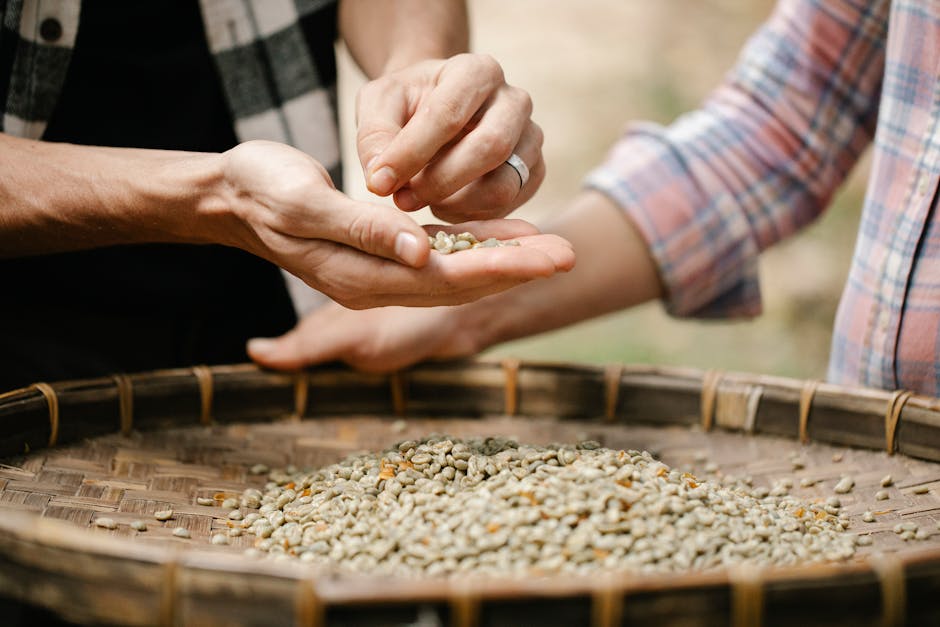
Be sure to prepare tasting notes and evaluate packaging quality when samples arrive. This is your opportunity to see, smell, and taste what your customers will experience.
Step 4: Connect for a Discovery Call (Optional but Wise)
We highly recommend having a brief intro or discovery call with the finalist supplier(s). This is a great time to discuss integrations, clarify costs, and gauge how responsive and knowledgeable the team is. If you can’t get quick support now, it’s unlikely you’ll get it after launch.
Step 5: Compare, Decide, and Start Small
Finally, use a comparison sheet, weighing product quality, service, price, speed, and support. Pick your partner and place a small, low-risk initial order to smooth out the onboarding process.
Red Flags and Pitfalls to Avoid
- Suppliers refusing to provide samples or transparent documentation
- Complex contracts or lengthy commitments before you’ve even seen product
- Slow, inconsistent, or vague communication with no clear escalation process
- No automated eCommerce integrations, requiring manual order handling
- Hidden fees or undefined shipping timelines
- No compliance documentation (especially for US-based stores)
Be cautious—partnerships with the wrong supplier can mean lost revenue, unhappy customers, or brand damage that’s tough to undo.
Why Dripshipper Makes It Effortless for First-Time Entrepreneurs
We built Dripshipper from the ground up to address the most common pain points new coffee founders face. Our approach is personal: your brand, your vision, but our expertise and hands-on service at every stage. Here are just a few ways we set you up for success:
- Fresh roasting, packaging, and branding handled start to finish—your customers never see Dripshipper branding.
- Samples available via www.dogstreetroastingco.com so you can taste and test confidently before selling.
- Store setup (Shopify and others) fully managed; we even help with logo designs and submit up to three concepts for you to choose from.
- No minimums per order, transparent monthly pricing, and unlimited products or orders on all plans.
- Automated fulfillment, fast US-wide shipping, and direct eCommerce integration for true “set and forget” operations.
- Dedicated support for starters and advanced sellers, with optional live training, business coaching, and ongoing strategy consults.
If you’re just starting, these services can make the difference between launching with confidence and getting stuck in endless setup work. Thousands of first-time sellers have launched their coffee dreams with Dripshipper’s turnkey system and specialty-grade products. You can go from idea to first customer in as little as 24 hours—all without inventory or guesswork.
Final Thoughts: Your Supplier Is Your Brand Partner
Launching a private label coffee brand should be exciting—not overwhelming. By demanding transparency, flexibility, and support from your supplier, you’re investing in the long-term health of your store. The initial time you dedicate to this process will repay itself tenfold in stress-free growth, raving customer reviews, and healthy margins down the road.
If you want to see how simple it can be to launch your brand the right way, try Dripshipper’s free trial—and let us handle the logistics, so you can focus on building a coffee brand customers will love.
Written by the Dripshipper Team, sharing insights from real-world experience helping new coffee brands launch seamlessly.


