

How DropCommerce is rated, with the numbers behind the score
We prioritized its Shopify and Wix app listings over Trustpilot. The smaller Wix sample is useful, but should not be treated as a precise prediction of your experience. Percentages are shown as reported by the platform and may not add to 100% because of rounding.
The selection is aimed at a curated store
DropCommerce describes its suppliers as US and Canadian brands, and its app supports importing products and handling orders. The appeal is the ability to find a coherent retail range without owning the inventory yourself. Read how DropCommerce works.
You still need to check each supplier. Compare the delivered product, shipping charge, and return arrangement, especially if customers will buy from more than one supplier in the same basket.
Build a store around the supplier brands you actually want to sell
DropCommerce's appeal is a curated supplier range aimed at stores that want recognizable products from US and Canadian brands. Your store can still have a distinctive point of view, but it is important to separate curating another brand's products from manufacturing a product under your own label. They involve different supplier and marketing decisions.
- Choose suppliers for a specific customer
Look for products that belong together and support a clear reason to shop at your store. Check the actual brands, variants, and delivery terms rather than treating the catalog as interchangeable stock.
- Compare plan functions with your workload
Decide whether you need browsing and samples, product imports, branded invoices, or automatic fulfillment. Confirm where those functions sit in the current plan table.
- Test one supplier and then a mixed basket
Inspect the delivered product and packaging. If the store will combine suppliers in one basket, check the resulting shipping charges, parcels, and tracking messages.

Where a promising supplier range still needs checking
The store connection needs its own test
The selected Wix feedback includes a merchant's difficulty connecting after a move to Wix Studio. DropCommerce replied that its team was working on the issue. This is a platform-specific account, and it makes testing your intended setup more useful than relying on a review from another storefront system.
Before moving a live catalog, test product creation, stock updates, orders, and tracking in the destination store. Keep the existing setup available until the new route has completed a full test order.
A branded invoice does not make the product your own label
A store can present a clear identity while selling products from other brands. Branded invoicing supports that retail experience, but it does not establish that the supplier will put your logo on the product or replace its packaging.
Ask what appears on the item, box, invoice, and return paperwork. For coffee, confirm private label service explicitly. If your brand name on the bag is central to the offer, make that a requirement before choosing the supplier.
The product selection is the reason to look closely
A curated range can simplify supplier discovery
A smaller set of relevant suppliers can be easier to compare than an enormous general catalog. The benefit depends on whether the actual products fit your customer and whether their delivered prices support your store.
Support feedback includes help getting started
NATURAPOLIS described help during its early use, while other Shopify reviewers praised supplier and product choice. These accounts support testing the platform when onboarding help is important to your launch.
"I love the large selection of quality suppliers and products."
4Hearts, Shopify, September 17, 2026
DropCommerce pricing: the plan fee is only part of the bill
The Shopify listing includes a free option for browsing, samples, and 25 imports. Basic is $29/month, Growth is $55, and Pro is $95. Pro lists automated order fulfillment, while Growth lists branded invoicing. Annual billing can change the effective price. Compare the plan features.
Choose the plan for the workflow you need now. If you are paying mainly to automate orders, compare the time saved with the cost at your expected volume. A higher product allowance alone may not justify the upgrade.
| Plan | Listed price | What that buys |
|---|---|---|
| Free | $0 | Browsing, samples, and 25 imports as listed. |
| Basic | $29/month | Check the included product and store functions. |
| Growth | $55/month | Includes branded invoicing as listed. |
| Pro | $95/month | Includes automatic order fulfillment as listed. |
USD. DropCommerce plan source | Dripshipper pricing. Products, delivery, and store costs are separate. Plan features depend on billing route and the current offer.
If automation is the reason to upgrade, budget for Pro
These figures divide the $95 monthly plan fee by order count. They exclude products, shipping, advertising, returns, and payment fees.
The $95 Pro fee adds $4.75 per order at twenty monthly orders, or $0.95 at one hundred. The lower tiers have different functions, so their price is not a fair stand-in if automatic fulfillment is the feature you need. Use the required plan in the budget.
Then price the supplier order. A curated product can be worth more to the customer, but its margin still has to cover shipping, returns, payment fees, and promotion. Test a basket from two suppliers if that is a common shopping pattern; separate shipping can change the value of the offer.
Curating a store is different from labeling the product
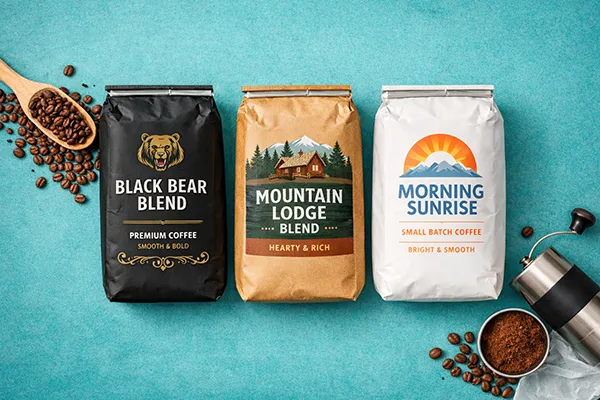
A shop can have a clear identity while selling products made by other brands. That is a legitimate retail model. If you want your own name on the coffee bag, verify that the supplier offers private label service and what it requires.
Dripshipper starts with that private label arrangement for coffee and tea. It is the closer fit for a coffee brand; DropCommerce remains relevant for a store that wants a curated mix of supplier products. See the labeling options.
DropCommerce can suit a retailer that wants a thoughtful collection of existing supplier brands. A coffee business built around your own name is a different starting point. You need an agreement about the coffee, label, packaging, and order fulfillment.
Dripshipper provides that private label coffee and tea arrangement. A store could use it alongside other supplier products, but the combined customer experience needs careful explanation. Do not promise one parcel when the products follow separate fulfillment routes.
DropCommerce vs Dripshipper: compare the business you would actually run
| What matters | DropCommerce | Dripshipper |
|---|---|---|
| Product direction | Curated US and Canadian supplier brands | Your own coffee-and-tea range |
| Branding | Supplier branding; check custom options separately | Your label on selected coffee and tea |
| Shopify paid entry | Basic $29/month; automation listed on Pro | Starter $30/month |
| Before launch | Check each supplier and store connection | Sample the coffee and review the label |
| Store model | Curate products from supplier brands | Build a coffee and tea brand |
| Automatic fulfillment | Listed on Pro; verify current terms | Listed on Starter |
| What to sample | Each chosen supplier product | The coffees, formats, and labels you will sell |
This is a comparison of scope and workflow, not a claim that the products or services are interchangeable. DropCommerce product information | Dripshipper service details.
Check the retail experience from both sides of the order
- Read each supplier policy
Keep the dispatch, return, and replacement terms with the product record. A general platform explanation may not resolve a supplier-specific problem.
- Inspect the package and paperwork
Check what the customer receives and which business names appear. Align the product page and support message with that real experience.
- Try the platform you intend to keep
A test on one store system does not settle how another will behave. Complete the import, order, and tracking checks before moving the live catalog.
Our verdict: who should choose DropCommerce?
DropCommerce is worth a look if its supplier brands match the store you want to curate. If you want to sell coffee with your own label, compare Dripshipper's product and fulfillment offer directly.
DropCommerce is worth considering when its supplier brands are a good fit for the store. Judge the range, delivered cost, and plan functions together. Choose Dripshipper when the central requirement is your own coffee and tea label, and explain the shipping clearly if you use both services.
Questions people ask about DropCommerce
Is DropCommerce free?
A free Shopify plan covers browsing, samples, and a limited number of imports. Paid plans add different order and catalog features.
Does DropCommerce have Wix reviews?
Yes. Its Wix retailer listing showed 4.4/5 from 40 reviews when checked.
Does branded invoicing mean my label is on the product?
No. Ask about product and packaging customization separately from the invoice.
Does branded invoicing include product labeling?
Do not assume so. Confirm which branding appears on the invoice, product, packaging, and delivery paperwork for the particular supplier.
Which plan includes automatic fulfillment?
The checked Shopify listing places automated order fulfillment on Pro. Check the current plan and your storefront route before subscribing.
Can I sell coffee alongside other supplier brands?
You can build a mixed range, but verify the supplier connections and shipping arrangements. Customers need clear information about separate parcels and tracking.
Sources and how we put this review together
Dripshipper publishes this review. We checked the sources on October 19, 2026 and selected reviews that illustrate both useful features and practical problems. We have not tested these suppliers side by side. Quotes are short excerpts; use the links to read the original accounts and company replies.